
The key ring problem
If you own a triplex on the Danforth, a six-unit walk-up in Parkdale or a small plaza in Scarborough, you know the key ring problem. One key for the front entrance, one for the laundry room, one for each unit, one for the furnace room and a couple nobody can identify. Every tenant turnover adds another copy to the drawer.
A master key system fixes most of that. It isn't right for every building, though, and it comes with one real trade-off you should understand before setting one up.
How a master key system works
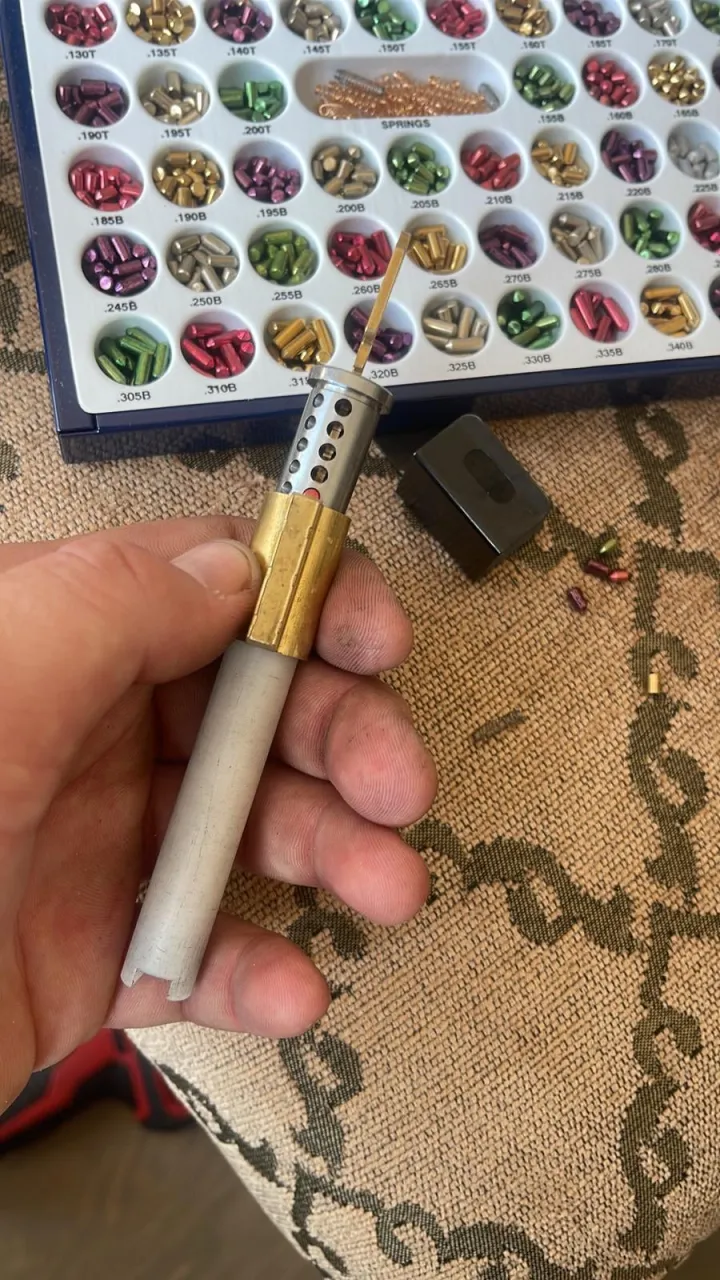
Every lock in a standard pin-tumbler system has a row of small pins inside the cylinder. The right key lifts those pins to exactly the right height so the cylinder can turn. In a master key system, extra pins are added so each lock has two correct heights: one for its own key and one for the master.
The result:
- Each tenant's key opens their own unit and nothing else
- The master key opens every unit lock in the system
- Shared doors like the front entrance, laundry, bike room or storage can be set up so every tenant key opens them too
Larger properties add another level, a grand master over several masters. For a small building, one level is usually plenty.
Why small landlords set one up
- You carry one key instead of fifteen
- A superintendent or property manager can do the same
- Tenants get one key for their unit and the shared doors
- Turnover is simpler: you rekey one unit lock, not the whole building
The trade-off: a lost master key
This is the part people skip. If a master key goes missing, every lock it opens is exposed, and fixing that means rekeying the whole system, not one door.
That's why the master key should be:
- Held by as few people as possible
- Cut on a restricted keyway, so copies can't be made at a hardware store kiosk. Restricted keys are only duplicated through an authorized dealer with the owner's authorization. Our guide to restricted keys and high-security locks explains how that works.
- Stamped with a code, never the building address
A master-keyed cylinder also has more combinations that will turn it than a single-key lock, which makes it slightly easier to defeat in theory. For most small residential buildings, that's a fair trade for the control you gain, especially with solid deadbolts and a restricted keyway. For a jewellery store, it may not be.
Ontario rules to keep in mind
A master key doesn't change the rules about entering a unit. Under Ontario's Residential Tenancies Act, a landlord generally has to give 24 hours' written notice before entering, except in an emergency or with the tenant's consent. The master key is for emergencies and properly noticed visits, not a shortcut.
The same law says a landlord can't change a unit's locks without giving the tenant a new key, and a tenant can't change them without the landlord's consent. We cover this in more detail in our post on landlord lock change rules in Ontario.
Shared exit doors also have to let people out without a key. Don't add a keyed lock to the inside of a front entrance or fire exit. If you need better control on those doors, look at panic bars and door closers or access control.
How to set one up without a mess
- Walk the building and list every door. Units, entrances, laundry, storage lockers, service rooms and the mailroom door if it's yours to key.
- Decide who needs what. Tenants, super, cleaner, contractors. Write it down.
- Check the hardware. Worn or very cheap locks may need replacing first. Not every cylinder can be pinned into a master system.
- Get a key schedule. A chart showing which key opens which lock. Keep it somewhere safe, not taped inside the furnace room.
- Track keys with a sign-out sheet. Who got which key and when. Collect keys at move-out.
After that, each time a tenant leaves, you rekey that one unit lock to a new key that still works with your master. That's a short visit, not a building-wide job. See our lock rekeying service.
Is it worth it for a duplex?
Often not. With two units and one shared door, you can get by with keyed-alike locks or a couple of separate keys. Master keying starts to pay off at around three or more units, when there are several shared spaces, or when someone other than you needs regular access.
Where we work
We set up and maintain master key systems for small residential and commercial buildings across the GTA, including Toronto, East York, Scarborough, Mississauga and Brampton. For plazas and offices, see our commercial locksmith service.
Thinking about master keying your building? Call or text Locksmith Veteran at (647) 788-8778. Tell us how many units and shared doors you have, and send a photo of the current locks if you can.